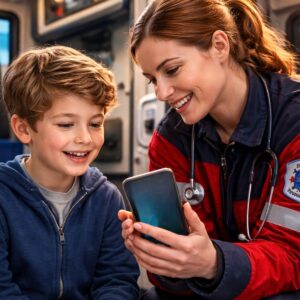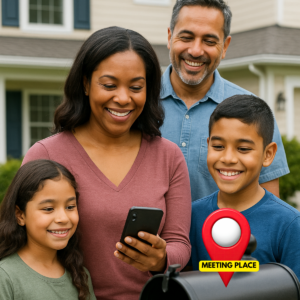
The QR code has had one of the more dramatic redemption arcs in marketing technology. Introduced in the 1990s, briefly adopted in the early 2010s, largely abandoned, and then — during a pandemic that made physical menus feel dangerous — it came roaring back.
Today, QR code scanning behavior is mainstream. Every smartphone camera reads them natively. A generation of customers who learned to scan restaurant menus in 2020 has carried that habit into every other context.
But most brands are still using QR codes the same way they were in 2012: as a link. Scan here to visit our website. That’s not marketing 2.0. That’s just a URL with extra steps.
The Gap Between Scan and Experience
Here’s the fundamental problem with QR-as-link: the payoff doesn’t match the promise. You ask someone to take out their phone, point it at a code, and then… they see a webpage. The action felt like it might lead somewhere interesting. The destination is forgettable.
This gap is why early QR marketing failed so comprehensively. QR Code Marketing 2.0 is defined by closing that gap — by making the destination worth the scan. And the most compelling destination a QR code can deliver is an immersive AR experience.
The Three-Second Moment
When someone scans a QR code on a retail storefront, they have about three seconds of anticipatory attention — the period between the scan and the payoff. That three seconds is extraordinarily valuable real estate.
An XR+AI experience that launches in that window delivers on the implicit promise. Something worth doing happened. The brain registers a positive outcome from the scan behavior, which makes future scan behavior more likely. You’ve trained a new habit, and the first impression of your brand in this interaction model is delight.
What QR Code 2.0 Deployments Look Like
Storefronts
A QR code in a window launches a branded XR character on the sidewalk. The customer stops, engages, often shares, and then walks in.
Product Packaging
A QR code on a product package launches an XR+AI experience that demonstrates the product or tells its story. The customer scanning from a shelf gets an experience that a printed label could never deliver.
Print and Collateral
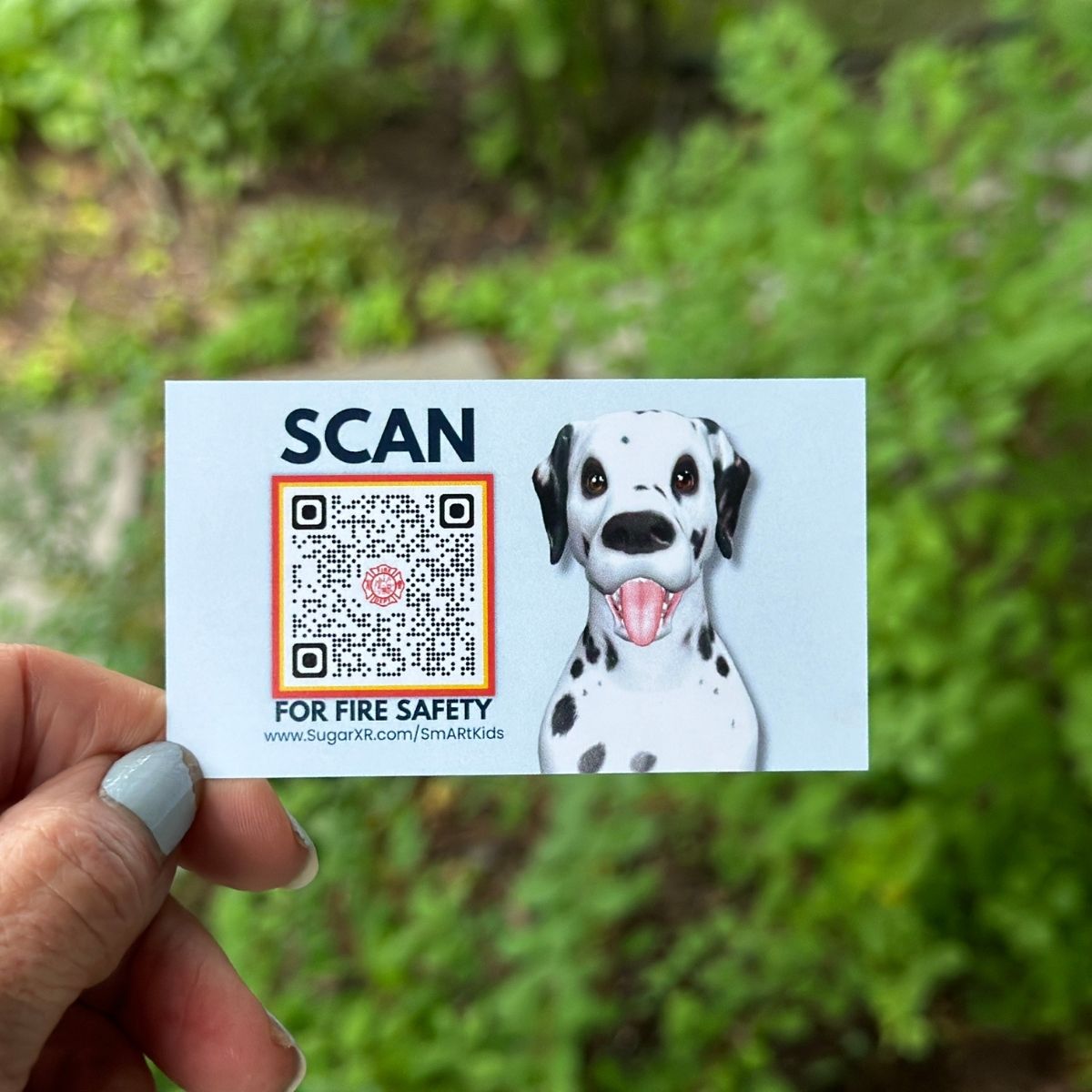
A QR code on a business card, flyer, or direct mail piece launches a brief, branded AR experience that makes the physical piece memorable and shareable. The printed item becomes a portal.
Events and Pop-Ups
QR codes at event locations launch experiences specific to the event context — themed characters, interactive games, branded moments designed for social sharing.
The Data Layer
Every scan is a data point: location, time, engagement duration, interaction depth, social sharing behavior. This turns QR deployments from one-way broadcast channels into two-way communication tools with genuine intelligence. Which location generates the most scans? What time of day? Which experiences drive the most sharing?
The Virtuous Loop
- The experience is worth scanning → more people scan
- More scans generate more behavioral data → smarter campaign optimization
- Better optimization improves experience relevance → more sharing
- More sharing reaches new audiences → more first-time scans
A well-deployed XR+AI QR campaign doesn’t just deliver one interaction — it builds compounding reach and improving performance over time.
See SugarXR’s BrowserXR+VisionAI QR experience in action at sugarxr.com. Attention is hard to get. Engagement is hard to forget. SugarXR delivers both.