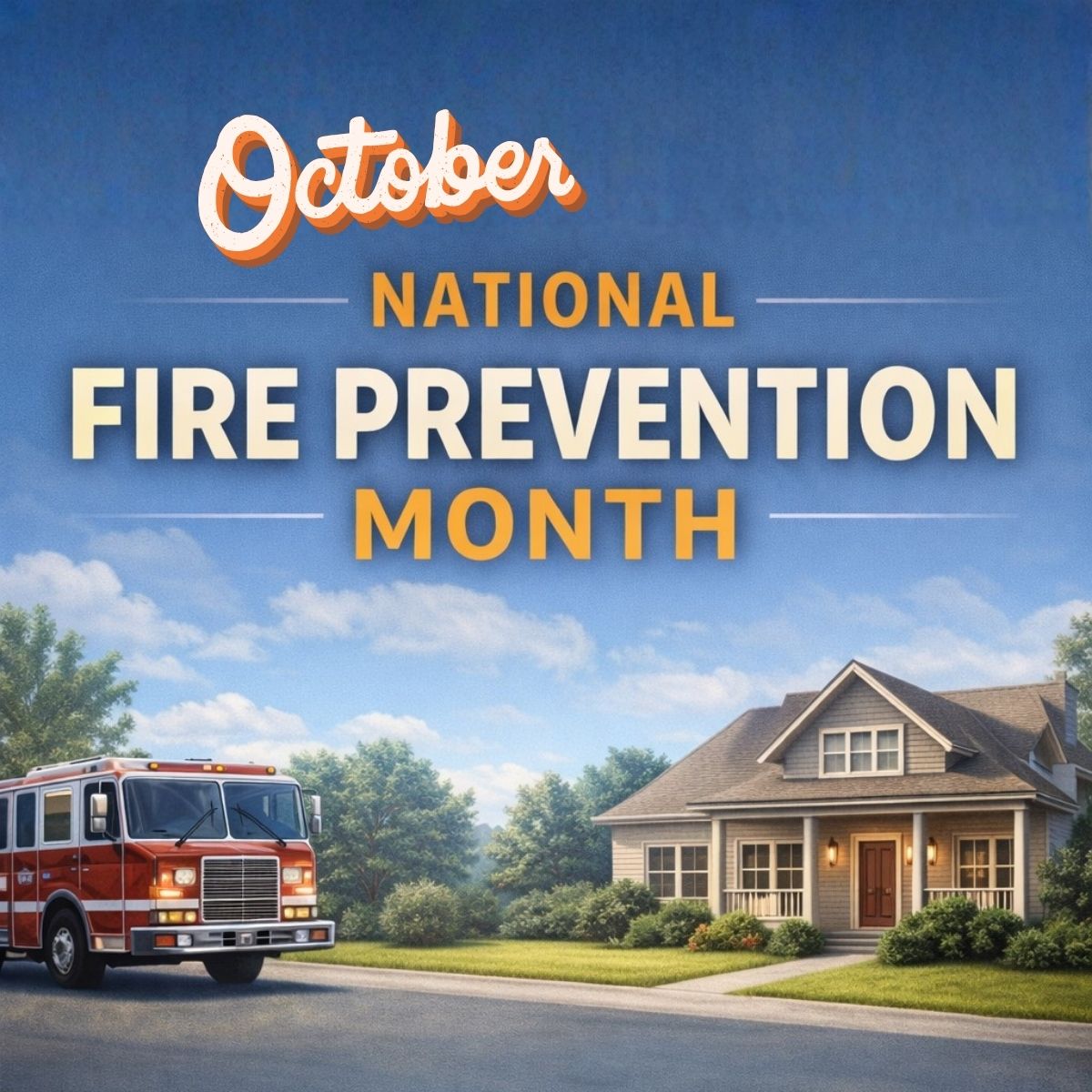
Fire Prevention Month has been observed every October since 1922. For a hundred years, fire departments across the country have used this month as the anchor of their community education calendar — school visits, open houses, demonstration events, distribution of materials. The commitment is consistent and the mission is clear.
What has changed is the media environment those efforts operate in. In 1922, a pamphlet was a sophisticated communication tool. In 2026, it competes with every screen, notification, and algorithm in a family’s daily life.
The October Opportunity
Fire Prevention Month is the most concentrated period of community goodwill and attention that fire departments receive all year. Families expect to hear about fire safety in October. Schools are primed to welcome it. Local media looks for community safety stories.
This creates a window that, used effectively, can deliver safety messages that families carry into November, December, and beyond. Used ineffectively — with passive materials that are received and forgotten — it produces another year of effort without the retention outcomes that justify the investment.
Building a Modern Fire Prevention Month Campaign
Week 1: Launch and Awareness
Deploy AR experiences at the beginning of the month when attention and novelty are highest. Post QR codes at the fire station, distribute through school communications, and launch on department social media. The goal is maximum initial reach and the establishment of the program in the community’s awareness.
Week 2: School and Community Events
Bring the AR experience to school visits and community events. The QR code becomes a leave-behind that extends the in-person visit: every family who scans at school takes the experience home. Firefighters don’t need to be tech experts — they hand out the QR code and the experience runs itself.
Week 3: Social Amplification
By week three, families who engaged earlier are sharing content on social media. Amplify this by resharing family posts on department accounts, encouraging use of a program hashtag, and creating prompts for families to share their experiences. The organic reach of this amplification period often exceeds the reach of the original deployment.
Week 4: Sustaining into Year-Round
Convert the October campaign into a year-round resource. Communicate clearly that the QR code remains active, that families can return to it at any time, and that sharing it extends the safety message beyond Fire Prevention Month.
Reaching the Audiences Traditional Outreach Misses
Traditional Fire Prevention Month outreach is heavily concentrated in school-age children at the right place and right time. Digital AR deployment reaches underserved audiences through channels they’re already using. A QR code shared in a neighborhood Facebook group reaches families who would never attend a fire station open house.
Measuring the Month’s Impact
AR platform data provides measurable evidence for Fire Prevention Month impact:
- Total scan count, broken down by week and deployment location
- Engagement duration — how long families spent with safety content
- Geographic distribution — which neighborhoods engaged most
- Social amplification — how many times the QR code was shared
- Return engagement — how many families came back after initial scan
This data transforms Fire Prevention Month from an effort whose impact must be assumed into a program whose impact can be demonstrated.
Register your department for the free SmARt Kids Fire Safety program at SmARtKidsAR.com or visit sugarxr.com. Attention is hard to get. Engagement is hard to forget. SugarXR delivers both.